Tokyo’s Most Instagrammable Shopping Streets Will Blow Your Mind
Walking through Tokyo’s commercial districts feels like stepping into a living, breathing mood board—neon lights pulse above sleek storefronts, fashion windows shift like art installations, and every corner seems designed for the perfect shot. As someone who lives for visual storytelling, I’ve explored the city’s most photogenic hotspots where style meets substance. These aren’t just shopping areas—they’re sensory experiences that blend trend, culture, and design in ways you’ve never seen. From the electric chaos of Shibuya to the refined elegance of Ginza, Tokyo offers a visual journey unlike any other. Ready to see Tokyo through the lens?
Shibuya: Where Youth Culture Meets Urban Energy
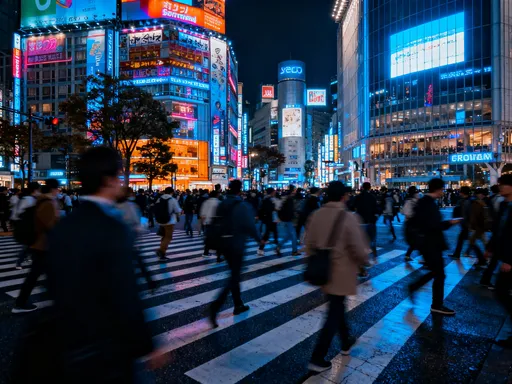
Shibuya is the heartbeat of Tokyo’s urban youth culture, a district where fashion, technology, and social energy collide in a vibrant display of modern Japanese life. At its core lies the world-famous Shibuya Crossing, often described as the busiest pedestrian intersection on the planet. Every time the traffic lights turn red, hundreds of people stream across the crosswalk from all directions, creating a mesmerizing human current framed by towering digital billboards and glowing storefronts. This moment—repeated every few minutes—has become one of the most photographed scenes in Tokyo, symbolizing the rhythm and dynamism of city life.
The visual power of Shibuya extends far beyond the crossing. Surrounding the scramble are fashion landmarks like Shibuya 109, a multi-story temple of youth style that has launched countless Japanese fashion trends since its opening in the 1970s. The building’s bold signage and rotating mannequins in avant-garde outfits make it a magnet for street photographers and influencers alike. Inside, visitors can explore an ever-evolving mix of brands catering to diverse subcultures—from kawaii (cute) fashion to edgy streetwear—each store designed with immersive aesthetics that invite close-up shots and full-outfit documentation.
Just steps away, Center Gai offers a more grounded yet equally photogenic experience. This narrow, pedestrian-only street pulses with youthful energy, lined with vintage clothing shops, quirky accessory stalls, and themed cafes that cater to Tokyo’s trend-conscious crowd. The area’s charm lies in its controlled chaos: colorful signage, graffiti-style murals, and spontaneous street performances create a constantly shifting backdrop perfect for candid photography. Even the pavement seems curated, with embedded design elements and seasonal decorations enhancing the visual texture of the street.
What makes Shibuya truly special for visual storytelling is its authenticity. Unlike staged photo sets or artificial backdrops, the district’s energy is real and unfiltered. The fashion is bold, the lights are bright, and the people are unapologetically themselves. For travelers seeking genuine moments of urban expression, Shibuya delivers not just images, but stories—captured in motion, color, and light.
Ginza: Luxury Reimagined in a Photogenic Playground
If Shibuya represents the pulse of youth, Ginza embodies the poise of sophistication. As Tokyo’s premier luxury shopping district, Ginza offers a striking contrast in both atmosphere and aesthetic. Wide, tree-lined avenues, clean sidewalks, and elegant streetlamps create a sense of order and refinement rarely found elsewhere in the city. This is where global fashion houses like Chanel, Louis Vuitton, and Dior have built flagship stores that double as architectural statements, each designed by renowned architects to reflect both brand identity and Japanese design principles.
The visual appeal of Ginza lies in its balance of minimalism and grandeur. Storefronts often feature floor-to-ceiling glass, allowing natural light to flood interiors during the day and transforming buildings into glowing lanterns at night. Seasonal window displays are treated as art exhibitions—carefully curated, thematically rich, and meticulously detailed. A single window might feature a miniature forest scene, a kinetic sculpture, or a poetic interpretation of a fashion collection, drawing crowds not just to shop, but to admire.
One of the most photographed spots in Ginza is the intersection near Mitsukoshi Department Store, Tokyo’s oldest luxury retailer. The building’s neoclassical façade, adorned with stone columns and ornate carvings, stands in elegant contrast to the sleek glass towers nearby. This juxtaposition—between tradition and modernity—is a recurring theme in Ginza, adding depth and narrative to every photograph. The district also houses art galleries, high-end jewelry boutiques, and Michelin-starred restaurants, all contributing to an atmosphere of understated elegance.
Even the timing of a visit enhances the visual experience. Early mornings offer soft, golden light filtering through ginkgo trees, ideal for clean, serene compositions. By evening, the district transforms—neon signs glow softly, reflections dance on wet pavement after rain, and the warm illumination of storefronts creates a cinematic ambiance. For photographers seeking polished, high-fashion imagery, Ginza provides a backdrop that feels both timeless and contemporary, where every frame exudes luxury and intention.
Harajuku: A Kaleidoscope of Fashion and Identity
Harajuku is where fashion becomes art and self-expression turns into performance. This district, nestled between Shibuya and Shinjuku, is globally renowned as the birthplace of Japanese street style. At its core is Takeshita Street, a narrow, bustling alley that bursts with color, energy, and creativity. On any given day, visitors encounter teenagers in Lolita dresses, boys in gender-fluid fashion, and cosplayers in elaborate costumes, all moving through a landscape of bubble tea shops, souvenir stalls, and pop-up boutiques.
The visual impact of Takeshita Street is immediate and overwhelming. Every surface seems painted, printed, or plastered with playful designs. Murals of cartoon characters, graffiti-style typography, and rainbow-colored awnings create a sensory overload perfect for bold, vibrant photography. Stores like Kiddy Land, a multi-floor haven of Japanese pop culture merchandise, offer interiors so densely packed with toys, plushies, and collectibles that they resemble installations in a contemporary art museum.
Just a short walk away, Cat Street offers a more subdued but equally stylish alternative. Running from Harajuku to Shimokitazawa, this tree-lined avenue caters to a slightly older, fashion-forward crowd. Here, visitors find boutique labels, vintage stores, and concept shops that blend Japanese minimalism with international streetwear influences. The lighting is softer, the colors more muted, and the overall aesthetic leans toward curated cool—a favorite among fashion editors and lifestyle photographers.
What makes Harajuku truly unique is its culture of acceptance and creativity. Unlike more rigid fashion capitals, Harajuku encourages experimentation—no look is too bold, no outfit too extravagant. This freedom translates into authentic, dynamic imagery. Street performers, from living statues to breakdancers, add movement and spontaneity to the scene. Even the way people pose—confidently, playfully, sometimes ironically—invites engagement rather than observation. For photographers, Harajuku isn’t just a location; it’s a living canvas where identity and imagination are on full display.
Omotesando: The Avenue of Aesthetic Perfection
Often referred to as Tokyo’s Champs-Élysées, Omotesando offers a masterclass in architectural and urban design. This broad, tree-canopied boulevard stretches from Harajuku Station to Aoyama, lined with luxury boutiques, design studios, and cafes that blend seamlessly into the natural environment. The street’s grand entrance, framed by towering zelkova trees, creates a sense of arrival—like stepping into a meticulously composed photograph where light, shadow, and form are in perfect harmony.
The architecture along Omotesando is nothing short of spectacular. Buildings are designed by world-renowned architects such as Tadao Ando, Herzog & de Meuron, and Kengo Kuma, each creating structures that are both functional and sculptural. The Tod’s Building, with its undulating concrete facade inspired by tree branches, appears to grow organically from the ground. The Louis Vuitton store, a glass prism that shifts in appearance with the daylight, reflects the surrounding trees like a living kaleidoscope. These designs don’t just house brands—they become landmarks in their own right, drawing photographers as much for their form as for their function.
Natural light plays a crucial role in Omotesando’s visual appeal. During the day, sunlight filters through the canopy, casting dappled shadows on the pavement and illuminating storefronts with a soft, diffused glow. This makes the avenue ideal for lifestyle and portrait photography, where the interplay of light and texture enhances every image. In autumn, the zelkova trees turn golden, transforming the street into a warm, cinematic corridor. In spring, cherry blossoms add a delicate pink hue, drawing crowds for hanami (flower viewing) walks that double as photo opportunities.
Unlike the frenetic energy of Shibuya or the playful chaos of Harajuku, Omotesando exudes calm sophistication. It’s a place where fashion, nature, and architecture coexist in balance. For photographers seeking clean lines, elegant compositions, and a sense of timelessness, Omotesando offers a refined palette—where every shot feels intentional, every frame composed with care.
Shinjuku: Neon Dreams and Skyline Views
Shinjuku is Tokyo’s district of contrasts, a place where traditional alleyways meet futuristic skyscrapers, and quiet temples sit just blocks away from pulsating nightlife zones. For photographers, this duality makes Shinjuku one of the most visually diverse areas in the city. Whether capturing the electric glow of Kabukicho at night or the serene reflection of the Tokyo Metropolitan Government Building in a morning puddle, the district offers a spectrum of moods within a compact space.
The heart of Shinjuku’s visual drama lies in its nightlife districts. Golden Gai, a network of narrow alleys barely wide enough for two people to pass, is lined with tiny bars, some seating only a handful of guests. These miniature establishments, each with its own unique theme and décor, are adorned with vintage signs, string lights, and retro posters—creating a nostalgic, almost cinematic atmosphere. At night, the area glows with warm amber light, perfect for intimate, close-up photography that captures texture, detail, and human connection.
Just steps away, Kabukicho presents a bolder, more intense visual experience. Known as Tokyo’s entertainment and dining hub, this area is a symphony of neon—red lanterns, animated billboards, and towering signs in Japanese and English flash across the skyline. While the scale can feel overwhelming, it also offers unparalleled opportunities for dynamic night photography. The reflections on wet pavement, the silhouettes of pedestrians under glowing signs, and the layered depth of vertical signage create complex, multi-dimensional compositions.
For a panoramic perspective, the free observation decks of the Tokyo Metropolitan Government Building provide one of the best skyline views in the city. From this vantage point, photographers can capture the sprawling urban landscape—endless grids of streets, clusters of illuminated towers, and, on clear days, the distant peak of Mount Fuji. The building itself, with its gothic-inspired architecture and symmetrical design, serves as a striking subject during daytime shoots. Whether shooting wide-angle cityscapes or intimate street scenes, Shinjuku offers a photographic journey through light, contrast, and urban storytelling.
Akihabara: Where Tech Meets Pop Culture Aesthetics
Akihabara, often called “Electric Town,” is a sensory explosion of color, sound, and digital energy. Once known primarily as an electronics hub, the district has evolved into the epicenter of Japanese pop culture—especially anime, manga, and gaming. For photographers, Akihabara offers a cyberpunk-inspired landscape where retro-futurism meets hyper-commercialism in the most visually arresting ways.
The streets of Akihabara are dominated by towering video screens, flashing advertisements, and giant character billboards. Stores like Yodobashi Camera and Bic Camera feature multi-story facades covered in moving images, while specialty shops like Animate and Mandarake overflow with merchandise from popular anime series. The visual language here is bold and unapologetic: bright pinks, electric blues, and glowing yellows dominate the palette, creating a high-contrast environment ideal for energetic, attention-grabbing shots.
One of the most iconic experiences in Akihabara is visiting a themed café—such as a maid café, where staff dressed in Victorian-style maid outfits serve customers with playful, theatrical flair. These spaces are designed to be immersive, with décor that includes plush furniture, anime posters, and interactive elements that encourage guests to take photos. While the concept may seem whimsical, the attention to detail in lighting, costume, and set design makes these venues surprisingly photogenic.
Even the arcades contribute to the district’s visual identity. Multi-level game centers filled with pachinko machines, rhythm games, and virtual reality setups pulse with sound and light. The interiors are often dark, with neon accents highlighting game screens and player silhouettes—perfect for dramatic, high-contrast photography. For travelers interested in the intersection of technology and culture, Akihabara offers a rare glimpse into a world where digital fantasy and real-life experience blend seamlessly, creating images that feel both futuristic and deeply human.
Capturing Tokyo’s Commercial Soul Through the Lens
Tokyo’s shopping districts are more than places to buy goods—they are living galleries of culture, design, and human expression. Each neighborhood tells a different story, from the rebellious creativity of Harajuku to the polished elegance of Ginza, from the digital dreamscape of Akihabara to the timeless beauty of Omotesando. Together, they form a visual mosaic that reflects the complexity and richness of modern Japanese life.
What sets Tokyo apart is the intentionality behind its public spaces. Every street, every storefront, every light fixture feels curated—not in a sterile, artificial way, but with a deep respect for aesthetics, function, and experience. This attention to detail creates endless opportunities for meaningful photography, where even the most ordinary moments—a woman adjusting her umbrella under a glowing sign, a child staring at a window display, sunlight filtering through autumn leaves—become extraordinary when framed with care.
For travelers, especially those who value visual storytelling, Tokyo invites a shift in perspective. It’s not enough to simply take pictures; the city encourages you to see differently. To notice how light interacts with architecture, how fashion reflects identity, how urban design shapes emotion. The best photographs from Tokyo aren’t just beautiful—they’re layered with meaning, context, and connection.
As you plan your journey, remember that the most memorable images often come from slowing down, observing, and engaging with the rhythm of the city. Whether you’re standing in the middle of Shibuya Crossing, sipping coffee in a Ginza café, or wandering through the quiet lanes of Omotesando, let Tokyo’s aesthetic soul guide your lens. Because in this city, every street corner isn’t just a backdrop—it’s a story waiting to be told.